 By Admin
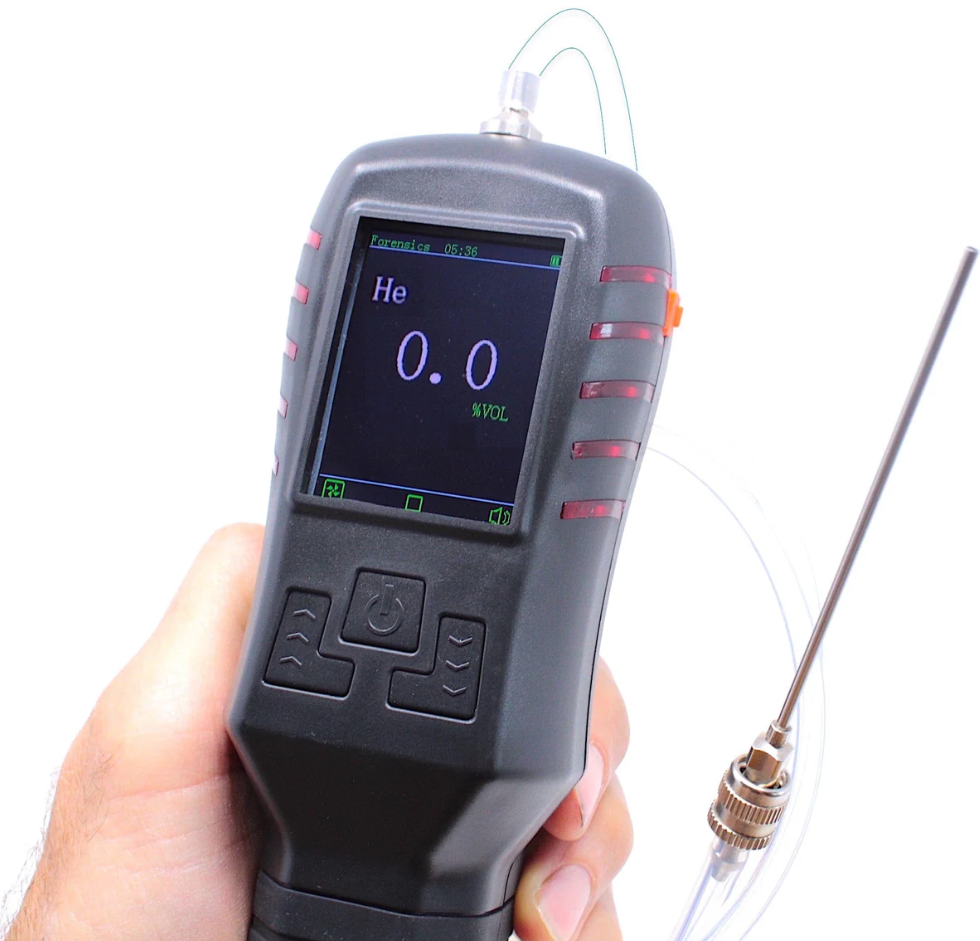
 Helium has a knack for slipping through the tiniest openings, which makes it useful when you need to uncover leaks that the eye will never catch. If you work in HVAC, refrigeration, lab systems, or industrial equipment, you already know that a leak you cannot locate becomes a leak that costs you time and money. That is where a tool like the helium leak detector earns its place. It gives you a way to trace microscopic losses in pipes, tanks, and mechanical setups with surprising accuracy.
Why Helium Works So Well for Leak Testing
Helium behaves differently from most gases we deal with day to day. Here is the thing, its atoms are incredibly small, it is nonreactive, and it spreads quickly. When you pressurize a system with helium, even a hairline gap becomes a doorway. The gas drifts through that space, and a sensitive instrument will pick up the trail.
What this really means is that you get a clean signal. No confusion, no drifting background gases, no safety hazards from reactive compounds. Helium is safe to handle and does not cling to surfaces, so you are not waiting around for leftovers to clear before retesting.
A solid helium leak detector amplifies this natural behavior. It listens for helium specifically, then converts its presence into a reading that tells you where the leak is hiding. These detectors are built for environments where precision matters, like high pressure lines, cryogenic setups, fuel systems, pharmaceutical machinery, and vacuum chambers.
Where Helium Leak Detection Makes a Real Difference
You see helium leak detectors across several fields, mostly because many industries operate equipment that must remain sealed for safety, cost control, or performance reasons. Here are a few places where the technology proves its worth.
HVAC and Refrigeration
Refrigerant losses can ruin performance and drive up operating costs. A helium leak detector gives techs a faster way to pin down invisible microleaks inside evaporator coils, condensers, line sets, and compressor housings.
High Vacuum Systems
Laboratories and research facilities rely on high or ultra high vacuum environments. Even a slight leak can disrupt experiments or contaminate samples. Helium detection is standard practice in these settings because it picks up leaks far below what other tools can sense.
Gas and Fuel Systems
Fuel lines, pressurized gas cylinders, and distribution networks need consistent integrity. Helium helps teams verify those systems during maintenance or installation.
Manufacturing Quality Control
Automotive parts, aerospace components, and medical devices all benefit from thorough leak testing at the production stage. Manufacturers use helium methods when they need fast throughput with reliable accuracy.
Features That Separate Great Detectors from Average Ones
Choosing the right helium leak detector depends on your workflow, but a few qualities consistently rise to the top. Let’s break them down so you know what to look for.
Sensitivity Range
A good detector should capture very small leaks without drowning you in noise. Sensitivity often defines how useful the tool will be in real field conditions. Instruments designed for professional or scientific use usually offer extremely fine detection thresholds.
Response Time
You want a detector that reacts quickly when helium is present. A slow response or delayed signal can make the search frustrating, especially when you are sweeping across complex machinery.
Portability
Some systems are bench units for stationary testing, but many technicians prefer handheld or portable detectors. Lightweight housing, comfortable grips, and flexible probes make the job easier.
Durability and Construction
Harsh environments, vibration, and temperature swings can damage sensitive instruments. A well built helium leak detector will have protective casing, stable electronics, and a design that holds up under routine use.
Calibration and Stability
Accurate readings depend on a detector that stays calibrated. Quality devices maintain stability for long periods and give you clear guidance on when to recalibrate.
Display and Signal Alerts
Clear screens, audible tones, and visual indicators matter when you are hunting leaks in tight or dim spaces. The best detectors offer intuitive feedback so you do not lose time guessing what the device is trying to tell you.
Getting the Best Results with Helium Leak Testing
Once you have a capable helium leak detector in hand, the way you use it decides the accuracy of your findings. A few habits can improve your results.
- Pressurize the system properly before testing so the helium can push its way through any gaps.
- Avoid windy environments or strong air currents, which can disperse helium and weaken your signal.
- Move the probe slowly and steadily so the detector can register helium concentrations.
- Test fittings, joints, welds, bends, and valves, since those places often fail first.
- Give the system a moment to settle after injecting helium so you do not chase a false signal.
Professionals sometimes pair helium testing with other methods like vacuum decay or bubble solutions, but helium detection tends to outshine those older practices when you need precision at a microscopic level.
A Tool That Pays for Itself
Every industry faces its own challenges, but leaks are universal. They steal pressure, create hazards, waste energy, and damage equipment quietly. A good helium leak detector acts like a guide, pointing you toward problems that would otherwise stay hidden. Once you watch it lead you straight to a leak you spent hours hunting before, you understand why so many technicians stick with helium as their trusted companion.
The real magic is that simple moment when a faint signal rises, just enough to tell you that you are close, then closer, then right on top of the tiny opening you came to find. That moment feels like catching something elusive, and it is strangely satisfying every time.
 Matthew Walker