 By Admin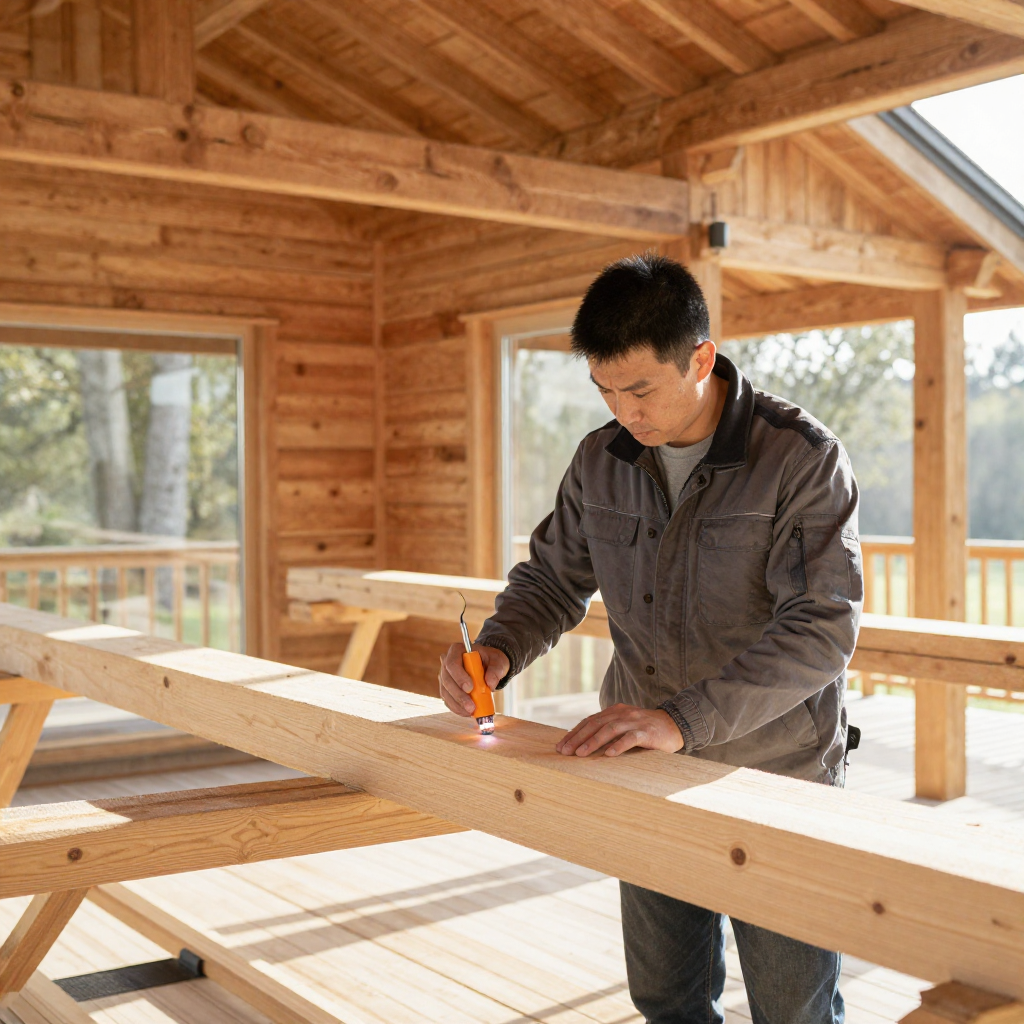
Wood is one of the most valuable materials used in homes, furniture, flooring, roof beams, cabins, and outdoor structures. However, because timber is a natural material, it can become vulnerable to woodworm, termites, mold, moisture, and long-term wear. For many years, wood protection relied heavily on strong chemical pesticides and preservatives to stop damage and infestation.
Today, many homeowners are moving toward non-toxic wood treatment as a safer and more environmentally friendly alternative. Families increasingly want solutions that protect timber without introducing unnecessary chemical exposure into the home. This is especially important for households with children, pets, allergy-sensitive individuals, or anyone concerned about indoor air quality.
The good news is that non-toxic wood treatment can still provide effective protection while supporting healthier living conditions. Modern methods focus on prevention, moisture control, safer technologies, and eco-friendly timber preservation.
Many homeowners researching modern timber care through shashel.eu/ are increasingly interested in non-toxic wood treatment because it balances protection with comfort and long-term wellbeing.
In this guide, we will explore the major benefits of non-toxic wood treatment and why it is becoming more popular.
What Is Non-Toxic Wood Treatment?
Non-toxic wood treatment refers to methods that protect timber while reducing or avoiding harsh chemical exposure.
Main Goals Include
- Protecting wood from pests
- Reducing moisture damage
- Supporting healthier environments
Instead of relying heavily on toxic pesticides:
Modern methods often focus on:
- Prevention
- Moisture control
- Heat treatment
- Microwave technology
Safer protection methods continue growing in popularity.
Safer for Families
One of the biggest benefits of non-toxic wood treatment is family safety.
Why This Matters
Traditional treatments may sometimes create concerns about:
- Strong odors
- Surface residue
Families often prefer gentler options for homes with:
- Children
- Elderly relatives
Comfort matters.
Healthy indoor spaces improve peace of mind.
Better for Pets
Pet owners increasingly prefer lower-toxicity wood protection.
Why Pets Need Extra Care
Animals may:
- Touch treated wood
- Spend time near floors and furniture
Benefits of Non-Toxic Treatment
Lower-chemical methods often reduce:
- Exposure concerns
Safer homes support healthier pets.
Many homeowners researching family-friendly timber care through shashel.eu increasingly prefer non-toxic treatment because it protects both pets and wooden structures.
Improved Indoor Air Quality
Indoor comfort matters.
Why Traditional Treatments Raise Concerns
Some chemical products may create:
- Strong smells
Non-Toxic Advantage
Gentler wood protection often supports:
- Fresher indoor environments
Better air quality improves comfort.
Healthy homes matter.
Reduced Chemical Exposure
Many homeowners want to reduce unnecessary chemical use.
Why This Is Important
Repeated exposure to harsh products may create concerns for:
- Sensitive individuals
Non-Toxic Benefits
Lower-toxicity treatment helps reduce:
- Indoor chemical buildup
Balanced home care improves wellbeing.
Eco-Friendly Protection
Environmental awareness continues growing.
Why Sustainability Matters
Many homeowners prefer methods that reduce:
- Chemical runoff
- Environmental impact
Eco-Friendly Alternatives Include
- Heat treatment
- Microwave treatment
- Moisture prevention
Smarter protection supports healthier surroundings.
Effective Against Hidden Timber Pests
Non-toxic treatment can still be highly effective.
Common Wood Pests Include
- Woodworm
- Termites
- Beetles
Modern Treatment Methods
Solutions such as:
- Heat treatment
- Microwave technology
may help eliminate hidden infestation without relying heavily on toxic chemicals.
Professional advice improves results.
Microwave Technology Supports Non-Toxic Protection
Microwave treatment has become increasingly popular.
How Microwave Treatment Works
Microwave energy heats moisture inside wood and insects.
This helps destroy:
- Larvae
- Eggs
- Adult pests
Benefits Include
- Chemical-free protection
- Deep penetration
It works especially well for:
- Structural timber
- Roof beams
Hidden pests often respond well.
Helps Preserve Valuable Furniture
Non-toxic methods are often preferred for delicate wood.
Best Uses Include
- Antique furniture
- Wooden cabinets
- Decorative timber
Why Gentle Protection Matters
Harsh chemicals may sometimes affect:
- Delicate finishes
Preserving original timber helps maintain value.
Supports Long-Term Prevention
Modern wood care increasingly focuses on prevention.
Helpful Prevention Methods Include
- Moisture control
- Better ventilation
- Routine inspection
Healthy wood naturally resists infestation.
Long-term care reduces future problems.
Reduced Odor During Treatment
Many homeowners dislike strong chemical smells.
Why This Matters
Indoor comfort improves when treatments avoid:
- Harsh lingering odors
Benefits of Non-Toxic Solutions
Living spaces often feel:
- More comfortable
Families appreciate lower disruption.
Suitable for Indoor Wooden Structures
Indoor timber deserves careful treatment.
High-Risk Indoor Areas Include
- Flooring
- Roof beams
- Furniture
- Wall supports
Non-toxic methods often work well for everyday living spaces.
Healthy environments matter.
Common Misconceptions About Non-Toxic Treatment
Myth 1: Non-Toxic Means Weak
Modern solutions can still be highly effective.
Myth 2: Chemicals Are Always Better
Prevention often improves long-term results.
Myth 3: Non-Toxic Methods Are Too Expensive
Preventive care often reduces repair costs later.
Understanding options helps homeowners make smarter decisions.
Long-Term Benefits of Non-Toxic Wood Treatment
Choosing safer wood protection offers many advantages.
Benefits Include
- Better indoor comfort
- Reduced chemical exposure
- Healthier living spaces
- Eco-friendly protection
- Long-term timber preservation
Healthy homes support healthier lifestyles.
Prevention saves money.
Conclusion
The benefits of non-toxic wood treatment continue to attract homeowners who want safer, healthier, and more sustainable ways to protect timber. By reducing chemical exposure while still preventing pests, moisture damage, and long-term wear, non-toxic treatment offers a balanced solution for protecting wooden homes and furniture.
Modern approaches such as moisture control, ventilation, heat treatment, and microwave technology make it possible to preserve timber without depending heavily on harsh chemicals.
 Matthew Walker